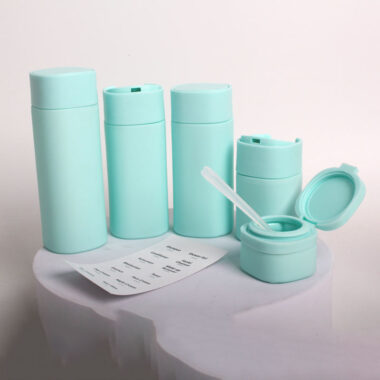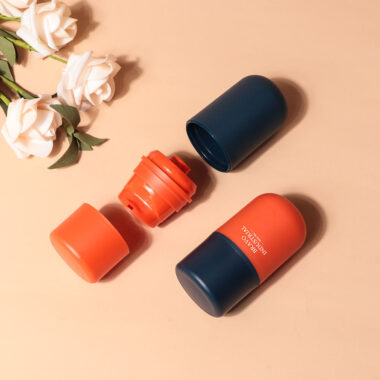


When selecting plastic for cosmetic bottles, two of the most common materials are HDPE (High-Density Polyethylene) and PET (Polyethylene Terephthalate). Each has its own set of advantages and drawbacks, and understanding the differences can help you decide which is best suited for your product and packaging needs.
1. Overview of HDPE and PET
- HDPE is a rigid, strong plastic commonly used in packaging. It’s known for its toughness, resistance to impact, and chemicals. It’s also a popular choice for bottles that hold thicker products, like lotions or shampoos.
- PET is a lightweight, clear plastic used for packaging beverages, personal care products, and food items. It’s known for its clarity, flexibility, and ability to withstand a range of temperatures.
Let’s dive deeper into the HDPE vs. PET comparison based on key factors relevant to cosmetic packaging.
2. Key Factors for Comparison
a. Durability
- HDPE:
- Pros: It’s incredibly durable and resistant to impact and cracking. This makes it great for products that need long-term storage or those that could be exposed to rough handling.
- Best For: Thick lotions, body washes, sunscreens, and other products that are typically in larger, bulkier bottles.
- PET:
- Pros: PET is also durable but more flexible than HDPE. However, it is prone to scratching and can be more sensitive to high temperatures or pressure.
- Best For: Clear bottles for lightweight products like serums, shampoos, or facial cleansers.
b. Transparency
- HDPE:
- Cons: It is typically opaque or semi-opaque, which makes it less ideal if you want to showcase the color or texture of your product.
- Best For: Products where the color of the packaging isn’t as important, like heavier lotions or balms.
- PET:
- Pros: PET is highly clear and transparent, which allows customers to see the product inside. This is a key reason why it’s a popular choice for liquid cosmetics.
- Best For: Clear, visually appealing packaging for serums, face mists, or liquid foundations.
c. Chemical Resistance
- HDPE:
- Pros: Known for its excellent chemical resistance, making it great for products with strong ingredients or those that might react with other materials. HDPE won’t degrade easily when exposed to oils, alcohols, or acids.
- Best For: Skincare products with high active ingredient concentrations, or products that contain alcohol or essential oils.
- PET:
- Cons: PET has good resistance to most chemicals, but not as strong as HDPE. It’s not ideal for products that have harsh chemicals or higher concentrations of oils.
- Best For: Mild cosmetics and products that don’t contain aggressive ingredients.
d. Weight and Handling
- HDPE:
- Pros: It is heavier than PET, but still lightweight enough for most cosmetic products. It offers superior protection for sensitive formulations, especially when thick and opaque bottles are necessary.
- Best For: Bulkier products that need extra strength but don’t require a clear view of the contents.
- PET:
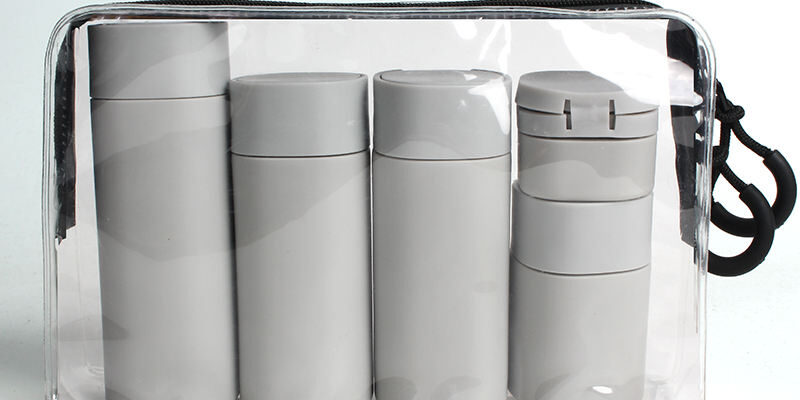
- Pros: PET is lightweight and flexible, making it an excellent choice for travel-sized bottles or any products that require portability. It’s easier to squeeze and manipulate, which is ideal for liquid products.
- Best For: Travel-size containers, liquid soaps, or shampoos.
e. Sustainability and Recycling
- HDPE:
- Pros: HDPE is highly recyclable and is the most commonly recycled plastic. It’s also more environmentally friendly when it comes to energy consumption in production.
- Cons: Although it’s recyclable, HDPE packaging is often not accepted in curbside collection programs, so it’s important to ensure proper recycling infrastructure.
- Sustainability Note: While HDPE can be recycled, it’s less likely to be made from recycled materials compared to PET.
- PET:
- Pros: PET is 100% recyclable and has a high recycling rate. It’s commonly used to make recycled PET (rPET) packaging, which reduces the need for virgin plastic.
- Cons: The carbon footprint of PET production is higher than HDPE, but the availability of recycled PET helps reduce environmental impact.
- Sustainability Note: PET is often considered more sustainable when sourced from recycled PET.
f. Cost
- HDPE:
- Pros: Generally more cost-effective than PET, especially for larger containers. The raw material is less expensive to produce.
- Best For: Brands looking to keep packaging costs down while still ensuring product protection and durability.
- PET:
- Cons: PET can be slightly more expensive due to its processing and molding costs.
- Best For: High-end, luxury products or brands looking for high-visibility packaging.
3. Best Use Cases for Each Plastic
Here’s a breakdown of which type of plastic is best suited for specific types of cosmetic products:
- HDPE:
- Best for:
- Heavier lotions or creams (thick formulas).
- Sunscreen bottles.
- Hair care products that require durability and chemical resistance.
- Body wash and other bulk products.
- Packaging Features: Often comes in opaque containers that protect products from UV rays and keep the ingredients stable.
- Best for:
- PET:
- Best for:
- Clear liquid products such as serums, facial mists, or shampoos.
- High-end or visually appealing products where the color or texture of the product is important.
- Lightweight products that require easy squeezability.
- Packaging Features: Transparent, often used for products that need to showcase their formulation, such as facial cleansers and cosmetic oils.
- Best for:
4. Conclusion: Which Plastic is Best for Your Cosmetic Bottles?
- Choose HDPE if:
- You need durability, chemical resistance, and strength for thicker or heavier products.
- You’re packaging bulk items (like lotions, creams, or hair care products).
- The clarity of the bottle isn’t a priority.
- You prefer eco-friendly packaging options that are easier to recycle.
- Choose PET if:
- You want a clear, sleek bottle that showcases the contents.
- You’re packaging lightweight, liquid cosmetics like serums, face mists, or shampoos.
- Sustainability is important to you, and you’re interested in using rPET for a more eco-friendly option.
- Brand aesthetics are key, and you want customers to visually connect with your product.
Both HDPE and PET offer their own unique advantages. The right choice will depend on your product type, brand positioning, and sustainability goals. If your focus is on durability and chemical resistance, HDPE is likely the better option. For a clear, visually appealing product with more sustainability options, PET may be your go-to plastic.