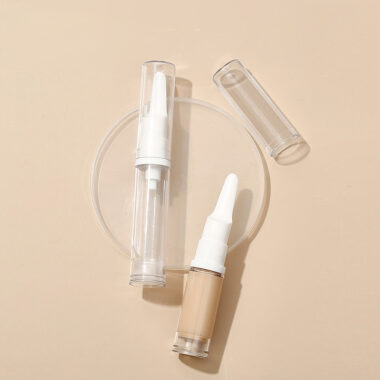


When selecting cosmetic bottles for your products, it’s essential to consider both functional and aesthetic aspects to ensure your packaging aligns with your brand, protects the product, and appeals to your target audience. Here are 5 key things to consider when choosing the right cosmetic bottles for your line:
1. Product Compatibility
Different cosmetics require different types of packaging based on their texture, consistency, and formulation. Ensuring that your bottle is compatible with the product inside is the first step in making the right choice.
Considerations:
- Thick products (e.g., creams, lotions, or balms) will require sturdy bottles with wide openings or pumps for easy dispensing.
- Thin liquids (e.g., serums, toners, or facial mists) may need bottles with precision dispensing options, like droppers or fine mist sprayers.
- Foaming products (e.g., face washes) need packaging that includes a foaming pump or a bottle designed to create foam when dispensed.
- Oil-based products (e.g., face oils, hair serums) may require bottles made of glass or a plastic type that doesn’t react with oils or degrade over time.
Tip: Choose a bottle with dispensing mechanisms that fit your product’s consistency to prevent spillage or waste.
2. Material Type
The material of the cosmetic bottle impacts both the product’s safety and the overall brand image. It’s crucial to select a material that preserves the product’s quality and aligns with your brand’s image.
Popular Material Options:
- Glass: Provides a premium look and is ideal for luxury products like perfumes, serums, or oils. Glass is non-reactive, making it safe for most products but can be heavier and more fragile.
- Plastic (PET, HDPE, PP): Lightweight and durable, plastic bottles are more cost-effective. PET is often used for clear bottles, while HDPE is ideal for thicker products like body lotions.
- Aluminum: Lightweight, sleek, and perfect for eco-conscious brands. Aluminum bottles also help preserve product integrity by protecting contents from light.
- Bamboo or Biodegradable Plastics: If sustainability is a priority for your brand, consider eco-friendly options like bamboo caps or biodegradable materials, which appeal to environmentally conscious consumers.
Tip: Select a material that both complements the product inside and aligns with your sustainability goals and brand positioning.
3. Aesthetic and Branding
The appearance of your cosmetic bottle plays a significant role in attracting customers and communicating your brand’s identity. Packaging is often the first touchpoint with consumers, so it should reflect your brand’s message and stand out in a competitive market.
Considerations:
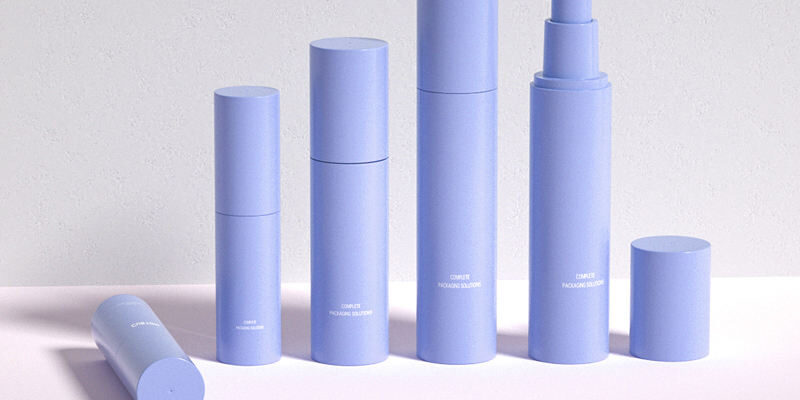
- Color: Choose colors that align with your brand’s aesthetic. For example, soft pastels work well for organic skincare, while bold colors might be better for edgy or avant-garde cosmetics.
- Shape: The shape of the bottle can communicate a lot about your brand. Sleek, minimalist designs evoke a modern, luxury feel, while quirky or unique shapes can make a product stand out.
- Finish: Different finishes like matte, glossy, or frosted can elevate the overall feel of the packaging. A metallic or embossed logo might be suitable for high-end products, while simple designs can appeal to a clean, minimalist style.
Tip: Consistency in packaging design across your product line helps strengthen brand recognition and builds trust with consumers.
4. Functionality and Convenience
Packaging should make the user experience easier and more enjoyable. Convenience is key, as customers are likely to choose products that are easy to use, store, and dispense.
Key Features to Consider:
- Dispensing Mechanisms: Choose the right type of dispenser based on the product:
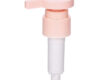
- Pumps for lotions or gels.
- Droppers for serums or oils.
- Sprayers for mists or sprays.
- Caps or flip tops for thicker creams or balms.
- Ease of Travel: If you’re creating travel-sized cosmetics, lightweight, leak-proof, and compact packaging will be important.
- Portability: For on-the-go beauty products (e.g., deodorants, hand sanitizers, etc.), consider small, easy-to-carry packaging with user-friendly designs like twist-up or click-close caps.
- Storage Considerations: Think about how your packaging will be stored or displayed in retail environments, ensuring it’s easy to stack, display, and organize.
Tip: Focus on the user experience. The packaging should be easy to open, dispense, and use without causing frustration or product wastage.
5. Sustainability and Environmental Impact
Sustainability is becoming increasingly important to consumers. Opting for eco-friendly cosmetic packaging not only reflects well on your brand but also appeals to a growing market of environmentally conscious customers.
Sustainable Packaging Options:
- Recycled Materials (rPET): Using recycled plastic can significantly reduce the environmental impact of your packaging, as it reduces the need for virgin plastic and helps close the recycling loop.
- Biodegradable or Compostable Packaging: Consider materials like PLA (Polylactic Acid), made from plant-based sources, or biodegradable plastics that decompose more quickly than traditional plastics.
- Refillable Bottles: Encourage customers to reuse the bottle by offering refill stations or refill pouches. This reduces single-use packaging and can help build brand loyalty.
- Minimalist Packaging: Reducing the overall packaging material (e.g., using less plastic or paper) contributes to sustainability efforts.
Tip: If your brand positions itself as environmentally friendly, eco-conscious packaging will resonate well with your target audience and improve brand perception.
Conclusion: Making the Right Choice for Your Cosmetic Bottles
Selecting the right cosmetic bottles for your products goes far beyond just aesthetics. By considering product compatibility, material type, brand identity, user convenience, and sustainability, you can create packaging that resonates with consumers, enhances the user experience, and boosts your brand’s image.
Take the time to carefully evaluate each of these factors, and you’ll be able to select packaging that not only showcases your product in the best light but also aligns with your overall brand vision and goals.